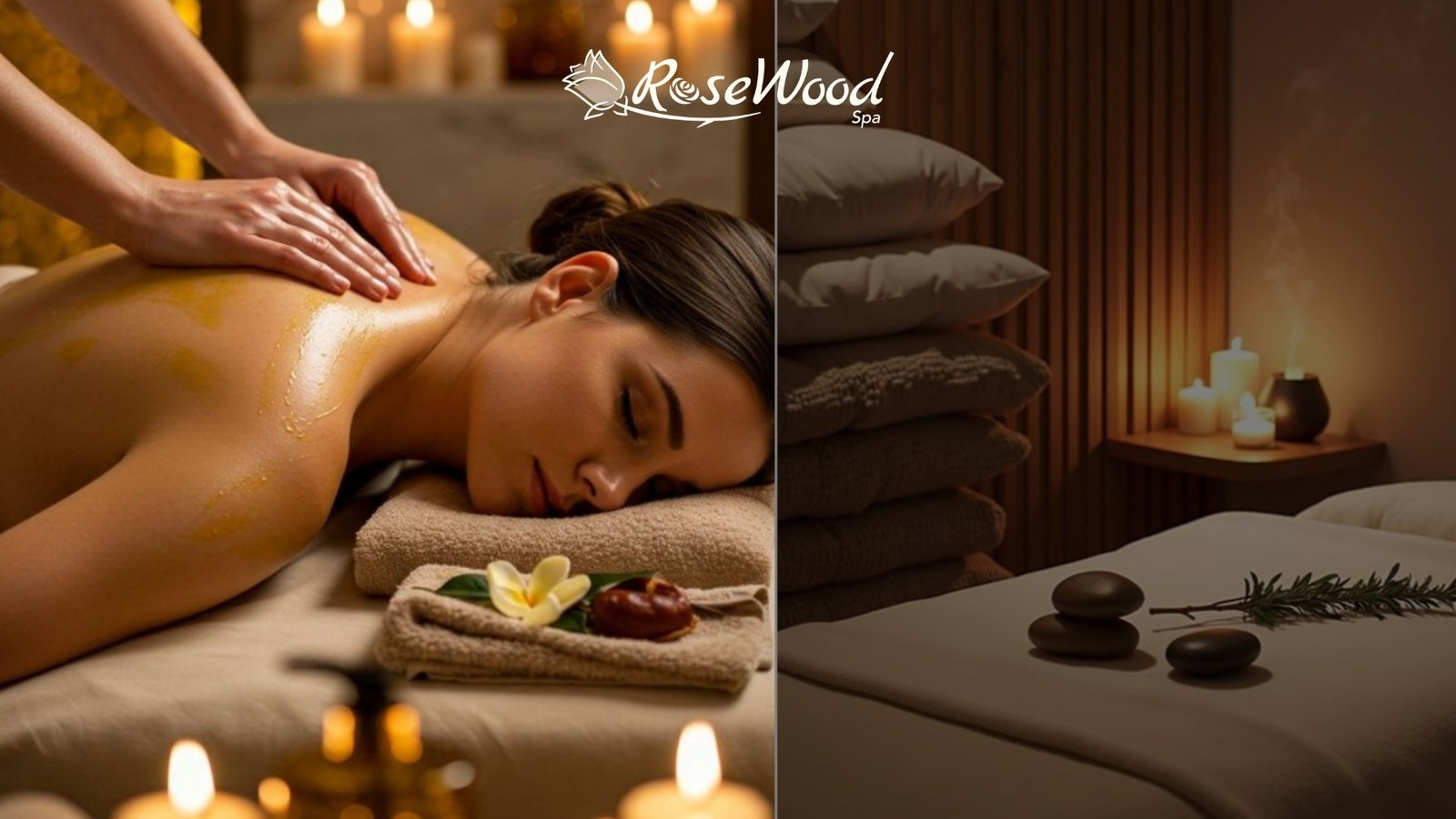
If you’ve ever asked yourself what is a massage, exactly, and why so many people build it into their regular wellness routine, you’re not alone. At its core, a massage is the practice of manipulating the soft tissues of the body muscles, tendons, ligaments, and connective tissue using the hands, forearms, or specialized tools to relieve tension, improve circulation, and promote relaxation. But behind that simple definition lies a rich and varied world of styles, pressures, and purposes, each suited to different needs.
Whether you’re preparing for your very first appointment or simply curious about what happens on the table, this guide walks you through the fundamentals of massage therapy: what it is, the main types available, the techniques therapists use, and exactly what to expect during a session.
Massage therapy is one of the oldest forms of hands-on healing, practiced across cultures for thousands of years. In its modern form, a massage treatment involves a trained therapist applying pressure, stretching, and rhythmic movement to targeted areas of the body. The goal can vary some people seek massage purely for relaxation, while others use it to manage muscle tightness, improve mobility, reduce stress, or support recovery after physical activity. Mayo Clinic notes that massage therapy can be effective in helping to reduce stress, pain, and muscle tension.
Unlike a quick rubdown, a proper massage session is a structured experience. A therapist typically begins by understanding your goals and any areas of discomfort, then selects the pressure, pace, and techniques best suited to your body and preferences.
Not all massages are the same, and understanding the different types of massage can help you choose the right one for your needs.
Swedish Massage Often considered the foundation of Western massage therapy, Swedish massage uses long, flowing strokes combined with kneading and light-to-medium pressure. It’s ideal for relaxation, easing everyday tension, and improving circulation a great starting point for first-timers.
Deep Tissue Massage This type targets the deeper layers of muscle and connective tissue. Using firmer, more concentrated pressure, deep tissue massage is designed to release chronic tension and tightness, particularly in areas like the neck, shoulders, and lower back. Cleveland Clinic describes this approach as using slower, more forceful strokes to reach the deeper muscle layers that a lighter massage may not access.
Hot Stone Massage Smooth, heated stones are placed on key points of the body and used by the therapist to apply gentle, penetrating warmth. The heat helps muscles relax more deeply, allowing for a more effective, soothing treatment.
Aromatherapy Massage Combining massage techniques with essential oils, this style engages both touch and scent to enhance relaxation and elevate mood, making it a favorite for those seeking a fuller sensory escape.
Sports Massage Geared toward active individuals, sports massage focuses on the muscle groups most used during physical activity. It can help improve flexibility, reduce the risk of injury, and support faster recovery.
Reflexology Rather than working the whole body, reflexology concentrates on specific pressure points in the feet, hands, or ears, believed to correspond to different organs and systems in the body.
Behind every style of massage are a handful of foundational techniques that therapists draw on and combine:
A skilled therapist blends these techniques throughout a massage session, adjusting pressure and rhythm based on how your body responds.
If it’s your first time, knowing what to expect can help you relax and get the most out of the experience.
Before the Session you’ll typically be asked a few questions about your health history, any areas of tension or discomfort, and what you’d like to focus on. This helps the therapist tailor the treatment to you.
During the Session You’ll lie on a massage table, usually under a sheet or towel for comfort and privacy, with only the area being treated exposed at any time. The room is generally kept calm and quiet, often with soft lighting and music to support relaxation. Communication is welcome throughout if the pressure feels too light or too firm, it’s completely normal to let your therapist know.
After the Session It’s common to feel deeply relaxed, and sometimes a little tender in areas that were worked more intensely this usually fades within a day. Drinking water afterward can help your body recover, and many people notice improved sleep and reduced tension in the hours and days that follow. If you have an existing medical condition, it’s worth mentioning it to your therapist beforehand the NIH’s National Center for Complementary and Integrative Health advises that massage therapy should complement, not replace, care from your healthcare provider.
The best massage treatment is the one that matches your body’s needs and your personal goals. If you’re new to massage, a Swedish massage is a gentle way to start. If you’re carrying tension from stress or physical activity, deep tissue or sports massage may be more effective. And if you’re looking for a fuller, more indulgent escape, styles like hot stone or aromatherapy add an extra layer of sensory relaxation.
At Rosewood Spa Dubai, every massage session begins with understanding you your goals, your tension points, and the experience you’re looking for. Our therapists blend world-class techniques with genuine, attentive care to craft a treatment that’s tailored specifically to you, not a one-size-fits-all routine.
Book Your Massage at Rosewood Spa Dubai
A massage is a hands-on treatment where a therapist manipulates the soft tissues of the body muscles, tendons, and connective tissue using pressure, kneading, and rhythmic strokes to relieve tension, boost circulation, and promote relaxation.
The most popular types of massage include Swedish, deep tissue, hot stone, aromatherapy, sports massage, and reflexology each using different pressure levels and techniques for different goals, from relaxation to muscle recovery.
Most massage sessions run between 30 and 90 minutes, with 60 minutes being the most common length for a full-body treatment.
A massage shouldn’t cause significant pain. Some techniques, like deep tissue massage, use firmer pressure that can feel intense in tight areas, but you should always feel comfortable telling your therapist to adjust the pressure.
It depends on your goals some people book a massage monthly for general wellness, while others with specific muscle tension or stress may benefit from more frequent sessions, such as every one to two weeks.
Before your session, avoid a heavy meal and arrive a few minutes early to relax. Afterward, drink plenty of water and give your body time to rest, as mild soreness or tiredness is normal and usually fades within a day.